SEO vs. PPC: Which Marketing Strategy Is Right for Your U.S. Business?
SEO is usually the better long-term investment because it compounds and keeps working after you stop paying, while PPC is the better choice when you need traffic immediately or are testing a new offer. For most US businesses the honest answer is not one or the other, it is both, used for different jobs: PPC to buy visibility today, SEO to own it over time. In a widely cited 2019 BrightEdge study, organic search drove 53% of all website traffic against roughly 15% from paid, which is why cutting SEO to fund only ads leaves the larger channel on the table.
| Factor | SEO (organic search) | PPC (paid ads) |
|---|---|---|
| Speed to first traffic | Months | Same day |
| Cost model | Ongoing investment, no per-click fee | Pay per click, every click |
| What happens when you stop | Traffic continues, then slowly declines | Traffic stops immediately |
| Best for | Long-term growth, compounding authority | Immediate leads, launches, testing offers |
| Share of site traffic (2019 study) | 53% organic | ~15% paid |
| Trust from users | High, earned position | Lower, labeled as an ad |
What is the difference between SEO and PPC?
SEO, search engine optimization, is the practice of earning unpaid rankings in search results and, increasingly, citations in AI answers, by making your site technically sound, your content genuinely useful, and your authority verifiable. You do not pay for each visitor. You invest in the assets that attract them.
PPC, pay-per-click, is paid advertising where you bid for placement, most commonly through Google Ads, and pay a fee each time someone clicks. The visibility is immediate and you control exactly when it starts and stops, but it also stops the moment you stop paying. The two channels appear on the same search results page, often stacked with ads on top and organic results below, which is why users increasingly recognize and sometimes skip the paid slots.
Which one delivers results faster?
PPC wins on speed without contest. You can launch a Google Ads campaign in the morning and receive clicks the same afternoon, which is why PPC is the right tool for a product launch, a time-limited offer, or any situation where you need traffic now. There is no waiting period, no aging, no compounding to wait on.
SEO is slower by nature. As the timeline data shows, most US businesses see first meaningful organic results in three to six months, because search engines favor established content. That is the tradeoff: PPC buys you speed at a recurring cost, SEO earns you durability at the cost of patience.
Which one costs more over time?
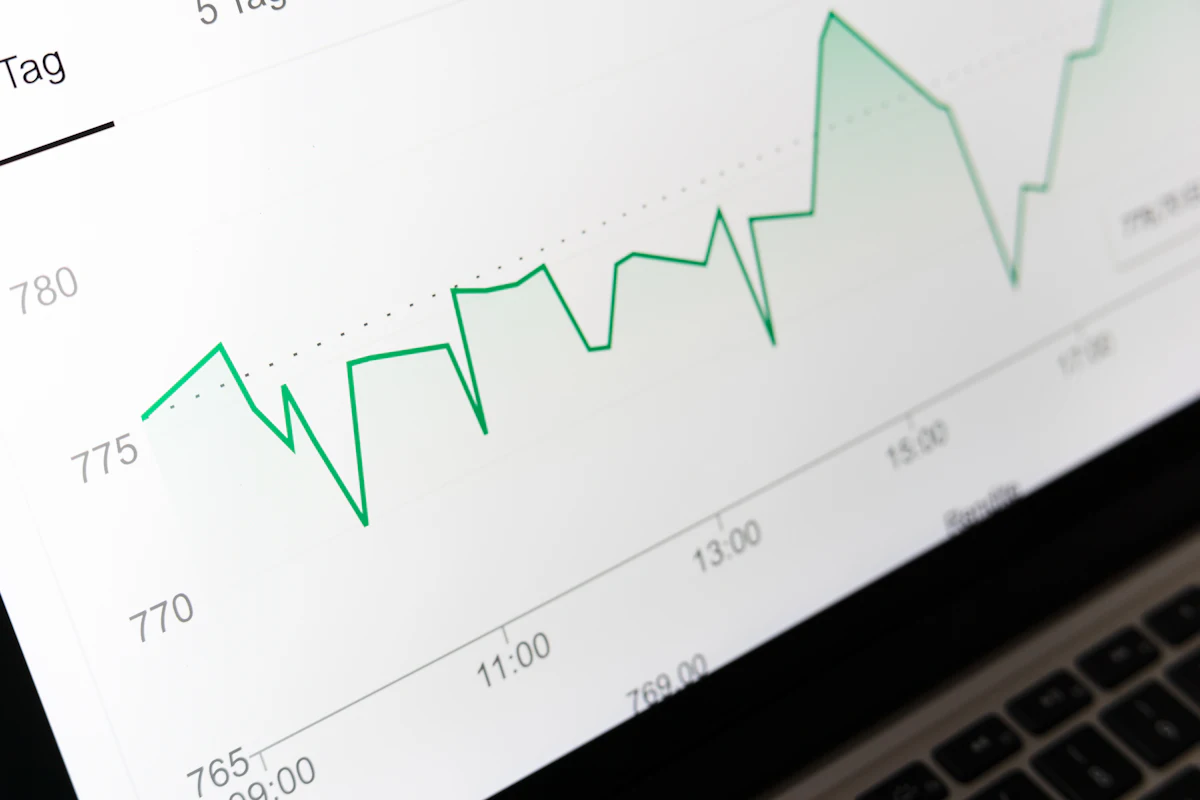
This is where the comparison flips. With PPC, you pay for every single click, forever. The moment your budget runs out, your traffic stops, and in competitive US markets the cost per click in some industries runs into tens of dollars per click. Your cost scales directly with your traffic, with no point at which visitors become free.
With SEO, the cost structure is front-loaded and then it compounds in your favor. You invest in content and authority that keep attracting visitors long after the work is paid for. A page that ranks well can bring in traffic for years at no additional per-click cost. Over a multi-year horizon, organic traffic is typically far cheaper per visitor than paid, which is the financial case behind the BrightEdge finding that organic drives the larger share of traffic.
Which one do users trust more?
Users tend to trust organic results more than ads, partly because ads are labeled as ads and partly because a top organic position is understood to be earned rather than bought. That trust advantage is one reason organic's traffic share sits so far above paid's in the BrightEdge data. PPC still converts well, especially for high-intent commercial searches where someone is ready to buy, but the click-through advantage on informational and research queries generally sits with organic.
When should a US business choose PPC?
Choose PPC, or lean on it heavily, in a few specific situations. When you need leads immediately and cannot wait months, ads are the only channel that delivers same-day. When you are launching a new product or testing a new market and want fast data on what messaging and offers convert, PPC gives you that read in days. When you are targeting high-intent commercial keywords where a customer is ready to purchase and the cost per click is justified by the sale, paid placement at the top of the page earns its fee. And when a seasonal window is short, a holiday promotion, an event, ads let you turn visibility on and off to match the calendar.
When should a US business choose SEO?
Choose SEO, or weight your budget toward it, when you are building for the long term rather than chasing this quarter's leads. When you want to reduce your dependence on paid traffic and stop renting your visibility, organic is how you buy the asset instead of leasing it. When your customers research before they buy and you want to be present across the informational and comparison queries that shape their decision, SEO covers ground that ads rarely do cost-effectively. And when you want to be cited by AI answer engines, which is increasingly where research begins, SEO and its extension GEO are the only way in, because you cannot buy your way into a ChatGPT or Perplexity answer the way you can buy an ad slot.
Should you use SEO and PPC together?
For most US businesses, yes, and the two reinforce each other when run together. PPC covers the gap while SEO matures, so you are not invisible during the three-to-six-month build. The keyword and conversion data from your PPC campaigns tells you exactly which terms convert, which is intelligence you can feed straight into your SEO content priorities. And appearing in both the paid and organic slots for the same search increases your total share of the page and the trust signal that comes with showing up twice. The practical pattern for a growing business is to run PPC for immediate leads and high-intent terms while building SEO underneath it, then gradually shift budget toward organic as it starts carrying its share, without ever fully abandoning paid for the moments speed matters.
The bottom line
SEO and PPC solve different problems. PPC buys immediate, controllable traffic at a recurring per-click cost and stops when you stop paying. SEO takes months to build but compounds, keeps working after the spend, earns more user trust, and is the only route into AI answer citations. The 2019 BrightEdge study put organic at 53% of site traffic against roughly 15% for paid, which is the case for not neglecting SEO, but the sharpest strategy for most US businesses is to run both: PPC for now, SEO for the long game, each feeding the other.
Keep reading
- How Long Does SEO Take to Show Results for a U.S. Business?
- Best Digital Marketing Services for U.S. Small Businesses
- How to Improve Your Google Rankings Without Increasing Your Ad Budget
- 10 Best Ways Small Businesses in the USA Can Get More Customers Online
- What Does It Cost an Agency to Ignore AI Search