



Earned Authority & Link Building

Authority you earn - never manufacture.

AI and Google both reward consensus across sources. The durable way to earn it is to deserve it. We build genuine third-party presence and white-hat links; we never plant fake reviews or seeded mentions.

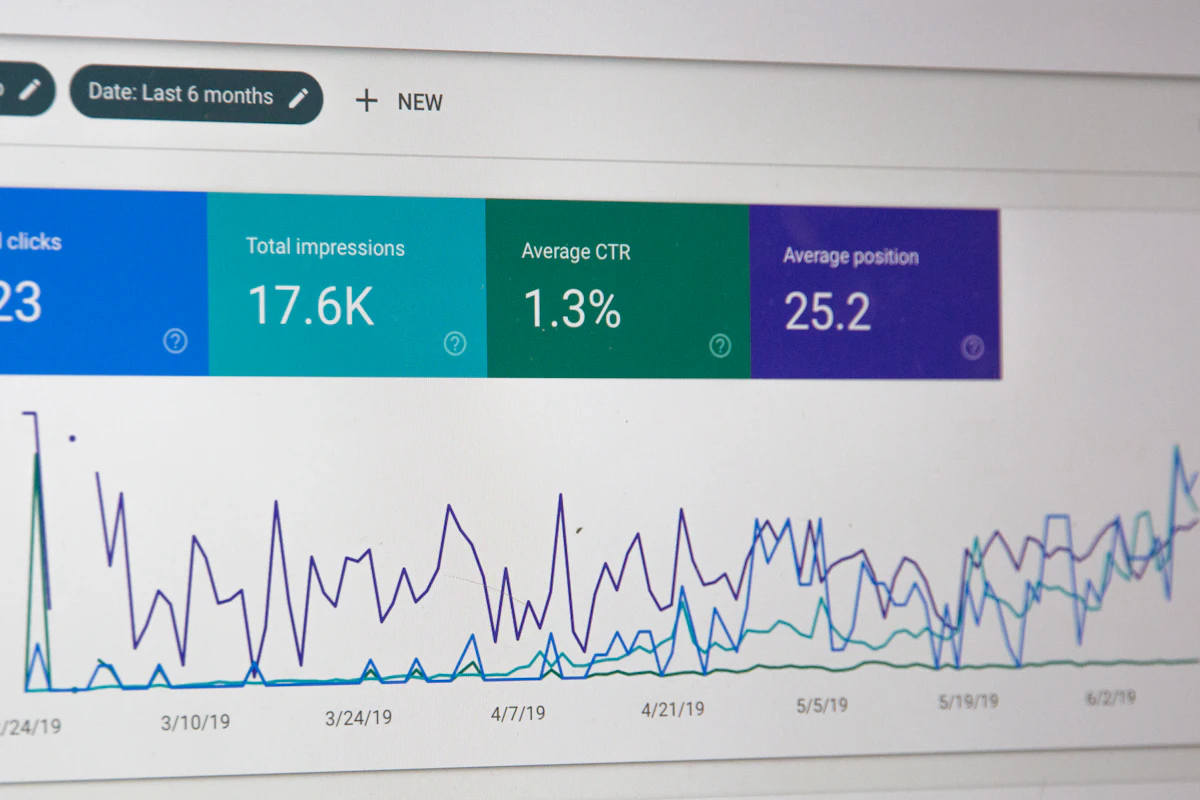
A search performance report showing impressions, click rate and average position over a line chart
A laptop showing a dark analytics dashboard with traffic charts
A green trend line chart on a screen

What it is

A compliant off-site program: earned links and digital PR, disclosed real-customer reviews, authentic community participation, and directory consistency.

Why it matters

Transactional "best X for Y" answers are decided largely by third-party consensus - the volume, recency and rating of genuine reviews, plus earned references tying you to your category. Links still feed classic ranking, which feeds Bing/Gemini-based engines.
What we do
  • Digital PR & expert sourcing - real named experts, original data studies, earned coverage.
  • Real reviews - post-purchase flows on G2/Trustpilot/Capterra/Google, disclosed, never written by us, never gated for positives.
  • Community - genuinely helpful, transparent participation on Reddit/Quora/forums.
  • Directory consistency - one canonical description aligned everywhere.
Compliance gate
Everything is earned and disclosed. The FTC fake-review rule and platform terms make manufactured consensus illegal, bannable and increasingly detectable. We won't carry that liability - and neither should you.
Related services

Authority, in depth

Which off-site signals earn trust from Google and AI

Earned authority is the set of independent signals that vouch for a business: links from relevant sites, press and expert mentions, real customer reviews and consistent directory listings. EliteLeadGrow builds these through digital PR, review processes and listing clean-up, and does not buy links, write reviews or seed mentions.

WebsiteReviewsDirectoriesPress mentionsListingsYour business

What counts as authority, and what does each type influence?

Short answer

Authority is five different signals feeding different systems, so we diagnose which are missing before choosing tactics. A business with strong reviews and no press needs a different plan from one with press and no reviews.

What counts as authority, and what does each type influence?

SourceYour website
Authority is five different signals feeding different systems, so we diagnose which are missing before choosing tactics.
Authority signals, what they feed and where they go wrong
SignalWhat it influencesHow it is earnedMain risk
Editorial linksGoogle rankings, and through them engines that rely on a search indexOriginal data, expert commentary, useful tools, partnershipsPaid or swapped links break Google's link spam policies
Press and brand mentionsHow AI describes what the business is and does, with or without a linkDigital PR, expert sourcing, local news, trade pressMentions that misdescribe the business
Customer reviewsMap-pack ranking and local or product recommendationsA request process for every customer, replies to all reviewsReview gating or fake reviews breach platform rules and consumer-protection law
Directory listingsEntity recognition and local accuracyClaiming and correcting each listing with one canonical descriptionConflicting facts across listings
Community participationHow people discuss the business in public threadsUseful, disclosed answers from named staffUndisclosed promotion that is removed or banned

What makes a link worth earning?

Short answer

A link is worth earning when a real editor placed it, on a site relevant to your topic, because the page is useful to that site's readers. One link from a respected trade publication usually does more than a bundle from sites that exist to sell links.

The detail

Google's link spam policies treat paid links, large-scale link exchanges and automated link schemes as violations. When a link is paid for, it belongs under rel=sponsored. We do not buy links to improve rankings.

  • Relevance: the linking site covers your topic or your region
  • Editorial placement: a person chose to include it
  • Real readers: the page has an audience that might click
  • A useful destination: the link points at something worth reading
  • Natural anchor text: wording a writer would actually use

How does digital PR work for a business that is not famous?

Short answer

It works by giving journalists and editors something they can use: a verified fact, an expert who answers quickly, or a local angle. Fame is not required, only usefulness.

The detail

The material usually comes from four places: original data from your own operations, named expert commentary on news in your field, local stories (openings, community work, awards you actually won) and resources others cite, such as a guide or calculator.

Pitches go one at a time to editors who cover the topic, with the story in the first line. We do not send mass emails or buy guaranteed placements.

How does digital PR work for a business that is not famous?

SourceYour website
It works by giving journalists and editors something they can use: a verified fact, an expert who answers quickly, or a local angle.

How do you collect real reviews without gating or buying them?

Short answer

Ask every customer at the moment they are most satisfied, give them a single link, and send it to everyone, not only the people likely to say yes. Google's policies forbid selectively soliciting positive reviews, and consumer-protection rules in the US cover fake reviews and the suppression of honest ones.

The detail

Choose the platforms your buyers check: Google for local businesses, or G2, Capterra and Trustpilot for software. Send the request after delivery, reply to every review, and treat a negative review as service feedback. Buyers read the replies as well as the stars.

WebsiteBusiness ProfileDirectoriesReviewsPress mentionsSchemaYour business

How do you tell a safe link tactic from a risky one?

Short answer

Check it against a short list of warning signs. Any one of them puts the site at risk of links being ignored or of a manual action, and cleaning up afterwards is slow.

  • A price list per link, or a promise of a set number of links per month
  • Sites built to sell guest posts, with no real audience and topics on everything
  • Networks of sites controlled by the same owners
  • Reciprocal link arrangements at scale
  • Exact-match keyword anchors repeated across links
  • Reviews or mentions written by the provider on your behalf

How do you tell a safe link tactic from a risky one?

SourceYour website
Check it against a short list of warning signs.

How do you measure authority work?

Short answer

By counting referring domains and mentions that are relevant and editorial, not total links. We track new referring domains by relevance, mentions on named publications, review count, recency and rating, listing accuracy and branded search.

The detail

These signals move slowly and unevenly, so we report them as trends against the baseline instead of monthly quotas.

WebsiteBusiness ProfileDirectoriesReviewsPress mentionsSchemaYour business

How an authority program runs

  1. Audit the gaps

    Compare your reviews, links, mentions and listings with the competitors that Google and AI favor.

  2. Choose by gap

    Pick the tactics that close your actual gaps, whether that is reviews, press, listings or community presence.

  3. Earn and disclose

    Place coverage, run the review process and correct listings, with everything disclosed where rules require it.

  4. Track the trend

    Report referring domains, mentions, reviews and listing accuracy against the starting baseline.

Questions

Authority questions

Google treats nofollow as a hint. Those links still bring referral visitors and brand exposure, and a mention in a respected publication can inform how AI describes you even without a followed link.

We can audit them. Google advises that most sites do not need its disavow tool, and it is meant for manual actions or clearly manipulative link patterns. We use it sparingly and only after review.

No. Earned links depend on editors, and we do not sell by link volume. We report what was earned, from which sites and why those sites matter.

Reply calmly, state the facts, offer to put it right offline and do not argue. Ask for removal only when a review breaks the platform's rules, such as fake or abusive content.

Only where you have real knowledge to share and use a named, disclosed identity. Threads are read by people and indexed by search engines, but the community's rules decide whether a post stays.

For local and product recommendations, assistants commonly draw on review platforms and map data. Review volume, recency and rating on the platforms your buyers use are therefore worth building.

A wire release suits genuine news, but we do not count wire pickups as earned authority. Mass distribution is not a link strategy.

Keep reading

Find the gaps

Build proof people can verify

We compare your reviews, links, mentions and listings with the competitors Google and AI favor, then list the earned moves to make first.