


Answer Engine Optimization

Structure your site so engines answer from you.

AEO makes your content the direct answer search engines and AI assistants pull when someone asks a question - not a link they might click, but the sentence they read aloud.

A hand holding a phone that shows an app dashboard
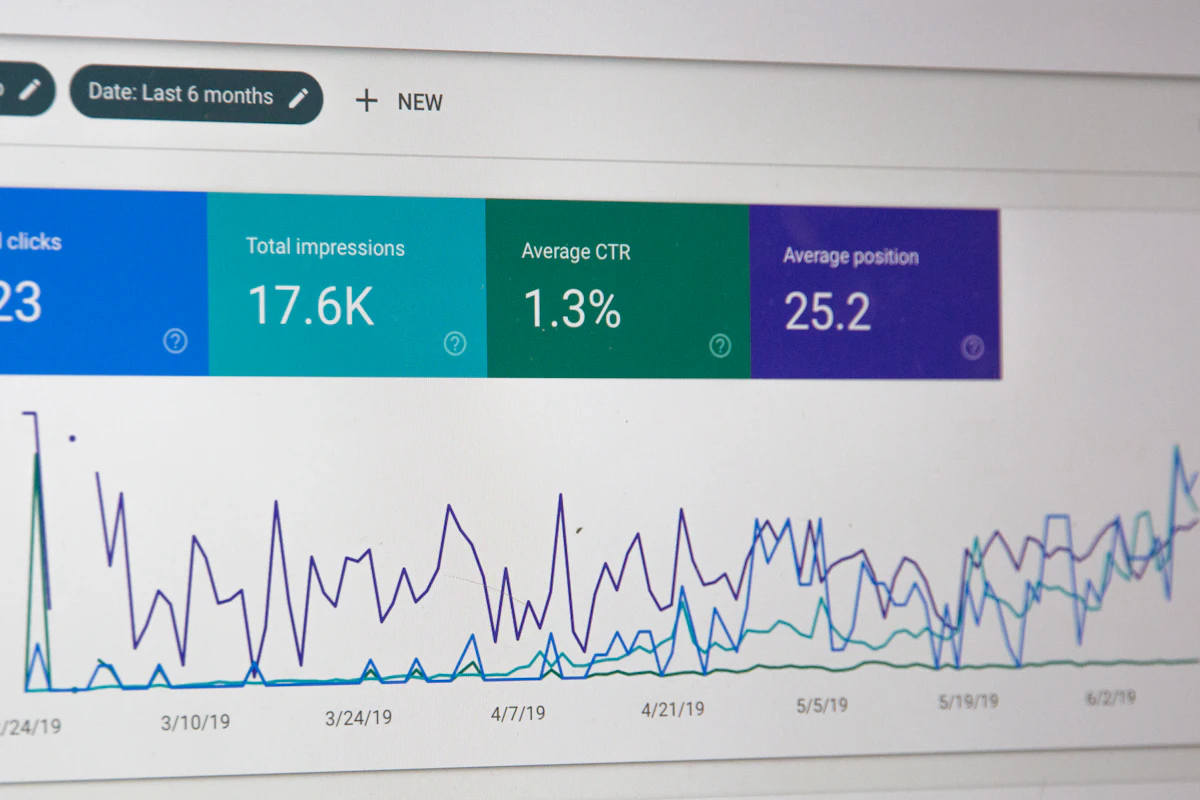
A search performance report showing impressions, click rate and average position over a line chart
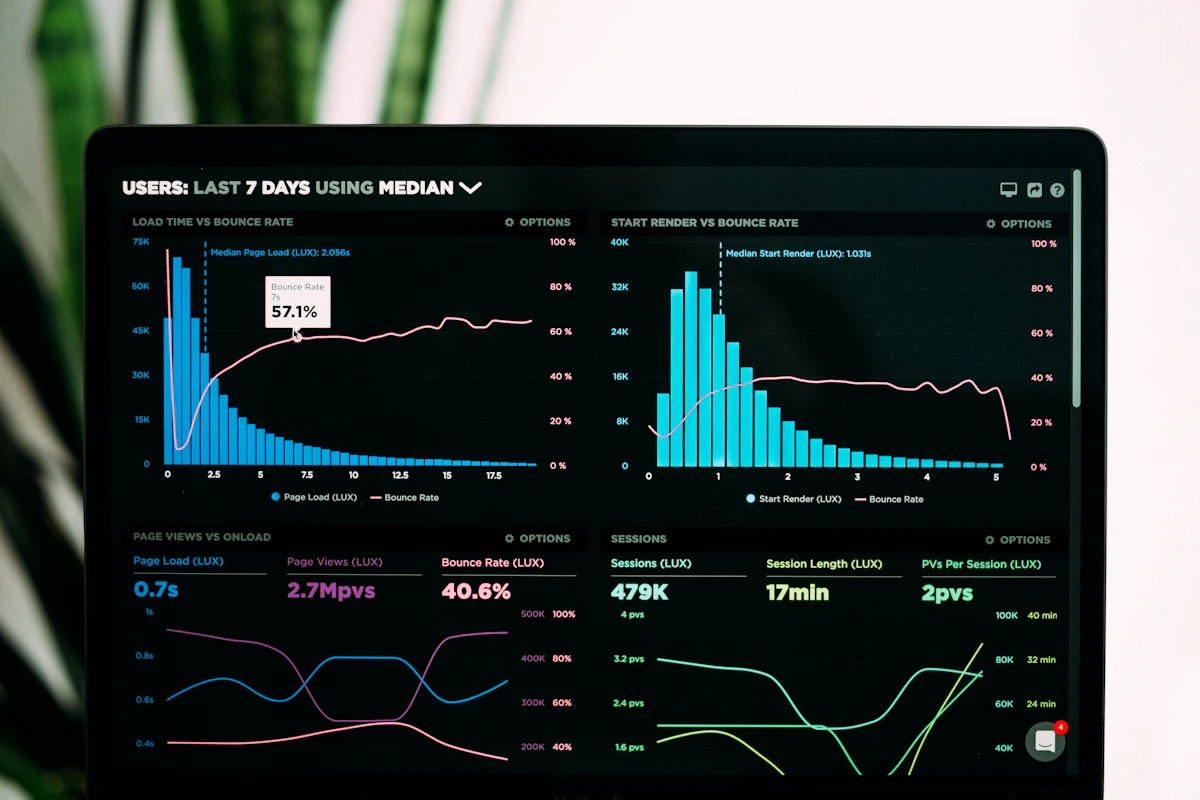
A laptop showing a dark analytics dashboard with traffic charts

What it is

Engineering your pages into extractable, self-contained answers: tight definitions, question-shaped headings, native tables, and passages that stand alone when lifted out of context.

Why it matters

AI retrieves passages, not whole pages, and attends most to the start of what it reads. An answer buried deep may never be retrieved; the same answer up top is a candidate every time your page surfaces.
What we do
  • Add a 40 to 80-word direct-answer block to the top of every key page.
  • Convert headings into the real sub-questions buyers ask (query fan-out).
  • Build FAQ and how-to structures where genuinely appropriate.
  • Turn comparisons and specs into native tables engines can lift cleanly.
  • Test which passages get cited and iterate.

What you get

Pages that win featured snippets, People-Also-Ask, AI Overviews, and inline AI citations - the same answer-first structure serves all of them.
Related services

AEO mechanics

What makes a passage one answer engines can lift

Answer engine optimization (AEO) is the practice of writing and structuring a page so one self-contained passage can be extracted and shown as the answer to a question, in featured snippets, People Also Ask boxes, AI Overviews, voice responses and AI assistants. EliteLeadGrow applies AEO to passages on a business's own pages, using direct answers, question headings, tables and matching structured data.

What makes a passage one answer engines can lift

SourceYour website
Answer engine optimization (AEO) is the practice of writing and structuring a page so one self-contained passage can be extracted and shown as the answer to a question, in featured snippets, People Also Ask boxes, AI Overviews, voice respon

What makes a passage extractable?

Short answer

A passage is extractable when it answers one question completely, in plain sentences, without needing the text around it. Retrieval systems lift passages, not pages, so each answer has to survive being copied out of its surroundings.

The detail

A quick test: paste the paragraph into a blank document. If a stranger could not say what it is about, a retrieval system will struggle with it too.

Opening sentence
Subject
Length
Heading
Evidence
Anatomy of an answer-ready passage
ElementRuleFailure we usually find
Opening sentenceStates the answer before any backgroundHistory or context first, answer three paragraphs later
SubjectNames the entity in full'It' and 'this' pointing at text that is no longer attached
LengthA direct-answer block of about 40 to 80 wordsOne-line answers with no support, or walls of text
HeadingPhrased as the question a buyer typesClever headings that match no real query
EvidenceA figure, date or named source where a claim needs oneAdjectives in place of facts
FormatA paragraph, list or table chosen to fit the questionA paragraph where a table was needed

Which answer format fits which question?

Short answer

The shape of the question decides the format. Definitions get a short paragraph, comparisons get a table, processes get a numbered list and yes-or-no questions start with the word yes or no.

The detail

Google's featured snippets appear as paragraphs, lists or tables, and the structure of the source page largely decides which one is shown. Matching format to question gives the engine nothing to rework.

  • What is X: a one- or two-sentence definition, then context
  • X vs Y: a table with the same criteria applied to each option
  • How do I: numbered steps, one action each
  • How much or how long: a range and the factors that move it, or an honest statement that no fixed figure exists
  • Is X worth it: a direct verdict plus the condition that changes it
  • Best X for Y: a short list with the selection criteria stated

Which answer format fits which question?

SourceYour website
The shape of the question decides the format.

How is AEO different from GEO and SEO?

Short answer

AEO works on the passage, GEO works on the brand and SEO works on the URL. That difference changes the actual tasks.

The detail

An AEO edit rewrites a paragraph, a heading or a table on a page you already own. A GEO task may happen entirely off your site, such as correcting a directory listing. An SEO task may be invisible to readers, such as fixing a canonical tag. All three depend on one thing: a page must be crawlable and indexed before any of it counts.

WebsiteBusiness ProfileDirectoriesReviewsPress mentionsSchemaYour business

Does structured data help answer engines?

Short answer

Structured data helps engines identify what a page is about, but it does not make a weak answer win. Schema.org markup such as Article, Organization, Product, LocalBusiness and FAQPage labels facts in a machine-readable form.

The detail

Google now shows FAQ rich results for only a limited set of sites, so we add FAQPage markup for clarity to machines, not to win a snippet. Markup must match the visible text. Marking up content that readers cannot see breaks Google's guidelines.

How do you test whether a passage is being used?

Short answer

We ask the question on the engines and look at which passage comes back. For each target question we check Google (the featured snippet, People Also Ask and, where shown, the AI Overview) and the assistants: ChatGPT, Gemini, Claude, Perplexity and Copilot.

The detail

We record whether the answer came from our passage, a competitor's or neither, then change one thing at a time: wording, position or format. A page edit means nothing until the engine has fetched the new version, so the log notes the date of each change and re-tests after the recrawl.

What is the downside of answer-first writing?

Short answer

Some answers satisfy the reader without a click. A snippet or AI answer that fully resolves a simple question can reduce visits for that query.

The detail

We make that trade deliberately. For simple definitional questions we give a short answer, because the alternative is that a competitor's answer gets used. Where the buyer needs depth, such as pricing, fit or process, the direct answer comes first and the detail stays on the page behind it, where it earns the click.

  1. Baseline
  2. Fix
  3. Publish
  4. Measure

How we run an AEO pass

  1. Pick the pages

    Choose pages tied to revenue and the questions behind them, using Search Console queries and what your sales team hears.

  2. Rewrite the openings

    Add the direct-answer block and question headings, and turn comparisons into native tables.

  3. Mark up and validate

    Add schema that matches the visible text and check it with Google's testing tools.

  4. Test and iterate

    Run each question on every engine, log what gets lifted and adjust one variable at a time.

Questions

AEO questions

A featured snippet is the extracted answer Google shows above the regular results. Google chooses it, so no one can guarantee one. We structure pages to be eligible and test which passage the engine lifts.

A block of about 40 to 80 words works well because it can stand alone and still carry a definition plus its context. Use more if the question needs it. The test is whether the passage makes sense when lifted out of the page.

It is not required. We add it where a page has genuine questions and answers that readers can see. It helps machines read the page but is no longer a reliable way to win a rich result.

Voice assistants read out a single answer, often drawn from sources similar to featured snippets, so the same structure helps. Which assistant uses which source varies and changes, so we cannot promise a particular voice result.

Edits that make a page clearer are usually safe, but any change carries some risk. We change one page group at a time, keep URLs stable, avoid removing text that ranks without checking it, and watch Search Console afterwards.

No. Service pages, product pages, pricing pages and FAQ pages often benefit most, since they sit closest to the buying decision.

Content builds new pages and topic coverage. AEO restructures the answer blocks on pages that already exist, and the two usually run together.

Keep reading

Try it on a page

Get your pages quoted

Send us your five most important pages. We mark where each answer starts, what an engine could lift today and what to rewrite first.