
How it works

The mechanics of getting recommended by AI.

GEO isn't a mystery. It's four systems working together to convince every major AI model that your business is the canonical answer.

A software team working together at one screen
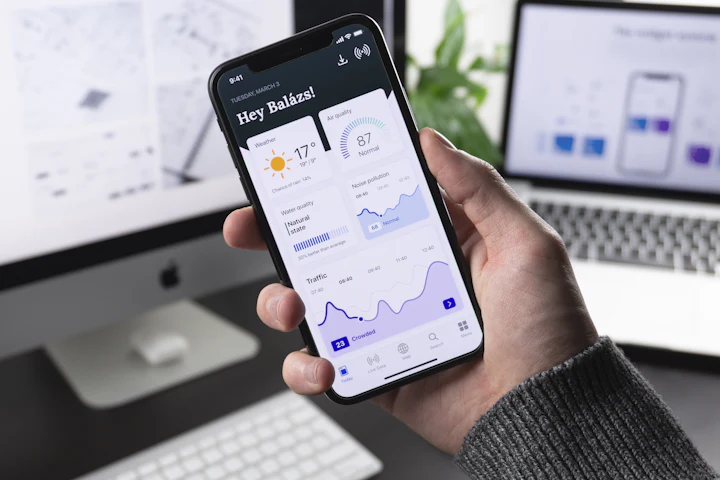
A hand holding a phone that shows an app dashboard
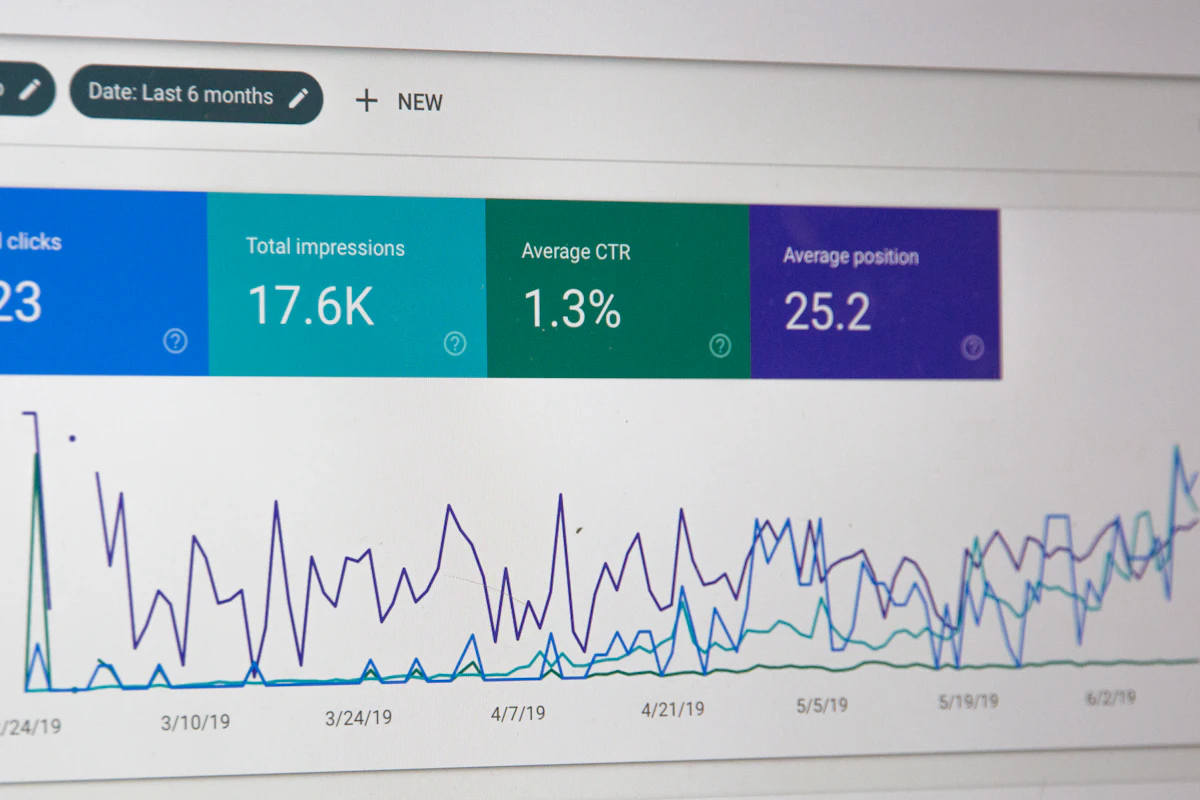
A search performance report showing impressions, click rate and average position over a line chart
What you get

The GEO citation loop

1. Entity

AI models treat businesses as entities, not URLs. We build a canonical entity graph that maps to your name across the web.

2. Schema

Structured data (JSON-LD) tells LLMs and their retrieval layers exactly what you do, where, and for whom.

3. Citations

Placements on the sources AI models actively pull from - publishers, directories, review platforms, structured datasets.

4. Re-scoring

We re-probe every major AI model each month and adjust the signal mix based on what the models actually reward.

In order

The 4-step engagement

  1. Prompt discovery

    We map the 40 to 120 real prompts your buyers use in ChatGPT, Gemini, Claude, Perplexity.

  2. Gap analysis

    For each prompt, we score whether you appear, how you're described, and who's beating you.

  3. Signal build

    We build entity, schema, and citation signals in the exact places the models retrieve from.

  4. Compound + re-score

    Every month we re-probe, publish a delta report, and double down on what moved.

Your questions

How it works, answered

We guarantee measurable share-of-voice lift across the models we track. If we don't move the number, we don't earn our fee. Full terms on the pricing page.

A proprietary probe engine that queries 25+ AI models on your target prompts every 24 hours from clean sessions in 180+ cities.

No. Everything we build for GEO - schema, citations, entity clarity - is a positive signal for classical search too. It's additive, never destructive.

Ready to see it on your own business?

Run our free audit and get a report of exactly how AI describes you today.

Inside the mechanics

What happens between a customer's question and an AI answer

GEO works by improving a business's chances at each stage of how an AI assistant builds an answer. The assistant interprets a question, often searches the web, retrieves pages, works out which business each describes, and writes from the passages it trusts. GEO makes pages retrievable, makes the business one identifiable entity, and supplies consistent facts and trusted third-party mentions.

What does an AI assistant do between the question and the answer?

Short answer

It runs a pipeline of six stages, and a business can lose its place at any of them. The design differs between products and changes over time, so treat this as a working model, not a specification.

The detail

Only the last stage is visible to the customer. Most visibility problems start earlier, which is why an audit reads pages and listings as well as answers.

WebsiteBusiness ProfileDirectoriesReviewsPress mentionsSchemaYour business
From question to answer: six stages and where a business drops out
StageWhat happensWhere a business tends to drop out
InterpretThe assistant reads the question and works out what is asked, where and for whomThe business never matches how customers phrase the need
Decide to searchThe assistant answers from memory or searches the webIf it answers from memory, only training data counts
RetrieveSearch returns candidate pages and sourcesPages are blocked, not indexed or buried
ExtractThe assistant pulls passages from those pagesThe answer sits under long introductions or inside scripts
ResolveThe assistant works out which business each passage describesName clashes, conflicting facts or missing identifiers
ComposeThe assistant writes the answer and may cite sourcesCompetitors have clearer, better-supported passages

How does an AI model know which business is which?

Short answer

It matches names, places and other identifiers across the pages it reads, then groups the passages that appear to describe the same organization. This is entity resolution, and it fails when identifiers are missing, vague or contradictory.

The detail

The most common failures are shared names (two companies called Summit Dental in different states), moved or closed locations that are still listed, and a trading name that differs from the legal name. Strong identifiers are the exact business name, the full address, a phone number, the website address and the links between a site and its official profiles, such as Google Business Profile.

How does an AI model know which business is which?

SourceYour website
It matches names, places and other identifiers across the pages it reads, then groups the passages that appear to describe the same organization.

What does structured data do for AI visibility?

Short answer

Structured data labels the facts on a page so a machine does not have to guess them. In practice that means schema.org markup written as JSON-LD, which states that this page describes a LocalBusiness with this name, address, phone number and service area.

The detail

Schema does not create trust. It reduces ambiguity and makes extraction cleaner, and it must match the visible text of the page, because mismatches are a reason for systems to ignore it. The types that matter most for a service business are below.

  • Organization or LocalBusiness: name, address, phone, opening hours, logo and a sameAs list pointing to official profiles.
  • Service: what is offered, to whom and in which area.
  • Person: named experts and their roles, where the business sells expertise.
  • FAQPage: question and answer pairs that also appear in the visible text. Google shows FAQ rich results for a narrow set of sites, so the benefit here is clarity for machines.
  • Product and Review: only where real products and real reviews appear on the page.
WebsiteBusiness ProfileDirectoriesReviewsPress mentionsSchemaYour business

Which sources do AI assistants tend to cite?

Short answer

Assistants tend to cite pages that confirm a fact independently of the business itself: news and local publications, industry lists, directories, review platforms, and the business's own site when it states the fact plainly. The mix changes by assistant and by question, so the useful move is to read what each one cites for your customers' questions.

The detail

The sources cited for a competitor that is named often show where the assistant looks, and where your business is missing.

Source types and what they should say about a business
Source typeWhy an assistant tends to use itWhat to make sure it says
The business's own sitePrimary source for services, location and policiesThe same name, address and services as every other source
Google Business ProfileStructured and widely used for local factsCorrect category, hours, service area and website link
Directories such as Yelp and BBBIndependent listings that can be cross-checkedMatching name, phone number and address
News and local publicationsThird-party confirmation of what the business doesAn accurate description and a link to the site
Industry lists and associationsA sign of belonging to a recognized groupCurrent membership under the correct name
Review platformsCustomer language about quality and serviceGenuine reviews that name the service

Can AI crawlers read your site at all?

Short answer

Only if the site lets them in and shows them the content. Access depends on robots.txt rules, whether pages are indexed, whether the text is in the HTML or built only by scripts, and whether pages sit behind a login or paywall.

The detail

Each provider runs its own crawlers, and some separate crawling for model training from crawling for live search and user requests. Examples include OpenAI's GPTBot and OAI-SearchBot, Anthropic's ClaudeBot, PerplexityBot and Google's Google-Extended control token. Names and behaviors change, so check each provider's current documentation before changing any rule.

Whether to allow training crawlers is a business decision with real trade-offs, and it can be made separately from the decision about search crawlers. An XML sitemap and clean canonical tags help every crawler find the right version of each page.

Your page
Crawled
Indexed
Retrieved
Quoted

Questions

How GEO works: common questions

Sometimes. When an assistant searches the web it reads current pages; when it answers from memory it relies on training data fixed at a cutoff date. Which one happens depends on the product, the settings and the question, so a business needs to be ready for both.

It is the assistant working out that several passages about 'Summit Dental on Main Street' describe the same real business, and that a similarly named business elsewhere is a different one. Clear, matching identifiers make that easy.

No. Wikipedia and Wikidata entries exist for organizations that meet notability rules, and most local and mid-sized businesses do not. A clear website, consistent profiles and mentions on credible local or trade sources usually give an assistant enough to identify them.

It depends on the goal. Blocking a search or retrieval crawler can remove a business from answers built on live pages. Blocking a training crawler limits use of content for model training. Decide each separately and check the provider's current documentation.

Yes. It can repeat an outdated listing, merge two businesses or invent details. The fix is to correct the sources it draws on, publish clear and consistent facts, and re-check the same questions.

There is no fixed time. A change reaches live retrieval after the page is recrawled and indexed. A change that depends on a model update waits for the provider's release schedule. Reports measure the result against a baseline.

Keep reading

See your own pipeline

Test one real question

Run the audit to see how each assistant answers your customers' questions and which sources it draws on.