



Content Engineering & Strategy

Write the answer both Google and AI actually use.

Content is where most measurable visibility lift is engineered. We build pages that rank in classic search and get lifted, cited and recommended by AI.

A laptop showing a dark analytics dashboard with traffic charts
A green trend line chart on a screen
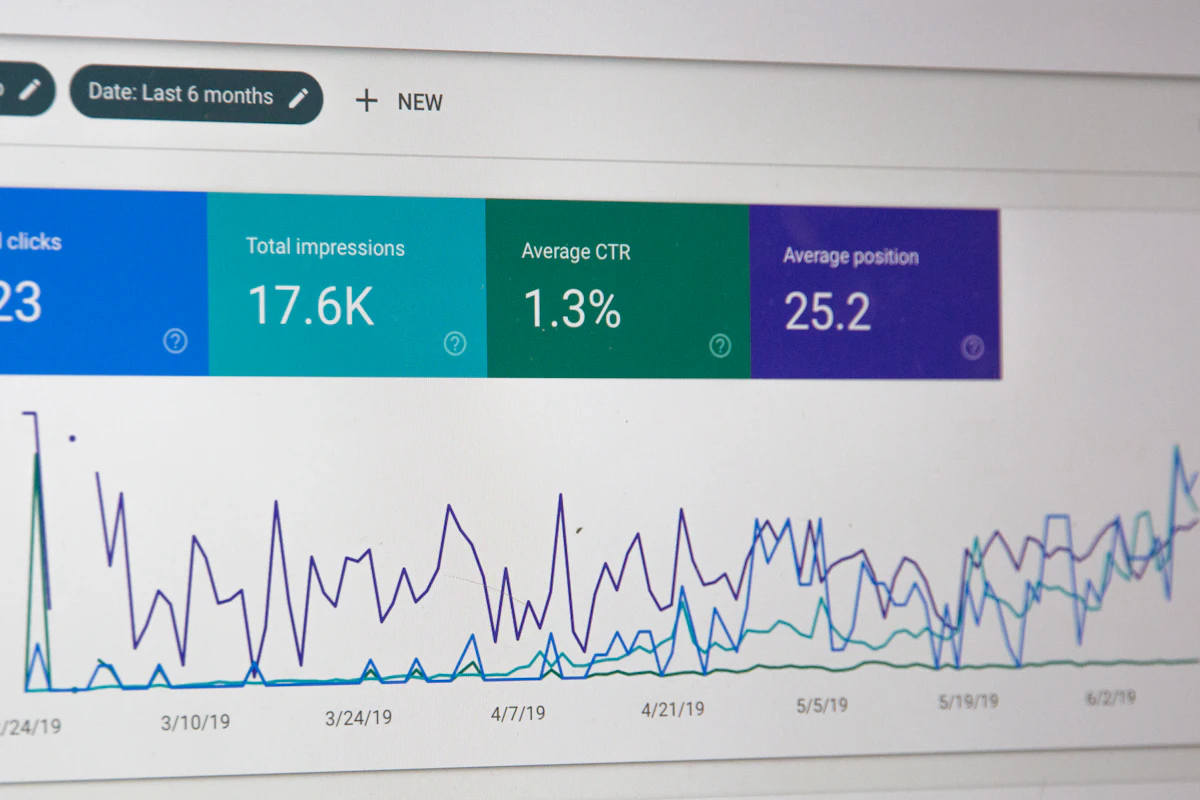
A search performance report showing impressions, click rate and average position over a line chart

What it is

Answer-first content built on real buyer questions: extractable definitions, native comparison tables, question-shaped headings, and self-contained answer blocks - backed by topical authority clusters.

Why it matters

Models attend most to the beginning of what they read and retrieve passages, not pages. Front-loaded, well-structured content wins retrieval; topical depth wins trust.
What we do
  • Map Category Entry Points - the real queries buyers use - and build clusters around them.
  • Add compliant 40 to 80-word definitions to top money pages.
  • Convert pricing/feature/comparison content into clean native tables.
  • Restructure headings to match query fan-out from live testing.
  • Apply the Trust Triad: sourced stats, hard metrics, real named-expert quotes.
  • Add credentialed authors with Person schema (E-E-A-T).

What you get

Pages that are the retrieved-and-used source for your core questions - and that convert human readers too.
Related services

Content, in depth

How a buyer's question becomes a page that gets used

Content engineering is the practice of turning the questions buyers ask into pages built to be found, extracted and trusted: one intent per page, a direct answer at the top, tables for comparisons, named authors and sourced claims. EliteLeadGrow plans, briefs, writes and edits this content, then tracks which pages earn rankings, citations and enquiries.

WebsiteBusiness ProfileDirectoriesReviewsPress mentionsSchemaYour business

How does a buyer's question become a finished page?

Short answer

Through a brief that fixes the question, the intent, the answer and the proof before any drafting starts. Most of a page's quality is decided there, and a brief takes less time than rewriting a vague draft.

  • The question and the search intent behind it (learn, compare, choose, buy)
  • The direct answer, written first
  • The proof that backs it: figures, examples and quotes from your staff, with sources
  • The structure: headings as sub-questions, and which table or list the page needs
  • Internal links in and out, so the page joins a cluster
  • The named author and reviewer, with the schema that goes with them
  • The one action a reader should take next

How does a buyer's question become a finished page?

SourceYour website
Through a brief that fixes the question, the intent, the answer and the proof before any drafting starts.

Which type of page should answer which question?

Short answer

The buyer's stage decides the page type. A person asking why something is not working needs a diagnosis, and a person comparing two vendors needs a table, so one format for everything fails both.

  1. Problem aware
  2. Solution aware
  3. Comparing
  4. Evaluating you
  5. Deciding
Buyer stage, question and page type
Buyer stageTypical questionPage typeWhat it must contain
Problem awareWhy is my site not getting enquiries?Explainer or guideA direct diagnosis, causes in order of likelihood, how to check each
Solution awareWhat is this and how does it work?Definition-led guideA 40 to 80 word definition, the mechanism and a worked example
ComparingX vs Y, or best X for YComparison pageThe same criteria for each option in a table, who each suits, honest limits
Evaluating youDo they do what I need, and what is involved?Service pageScope, process, deliverables, who does the work and a question list
DecidingWhat does it cost and what could go wrong?Pricing page, FAQ or case studyWhat moves the price, the risks and the evidence

Should you update old pages or write new ones?

Short answer

Update when a page already earns impressions, merge when two pages answer the same question, and write new only when no page covers the question. Refreshing an existing URL is often faster to show movement, because the URL already has history.

  • Impressions in Search Console but weak clicks or positions: rewrite the title, opening and structure
  • Two pages target the same intent: merge the weaker into the stronger and redirect it
  • Facts are out of date: refresh them and show the review date
  • No page covers a question buyers ask: write a new one
  • A page has no traffic, no links and no purpose: remove it or redirect it
WebsiteBusiness ProfileDirectoriesReviewsPress mentionsSchemaYour business

What do you need from us to write content that is not generic?

Short answer

We need your expertise: the questions customers ask, how you actually work and any figures only you hold. Generic content is what every competitor can produce from the same search results, and first-hand material is what separates a page from them.

The detail

That means sales-call questions, the objections that stall deals, your real process and pricing logic, and examples from jobs. We interview your staff, record the answers and shape them into pages with the expert named. We edit to your voice and check facts against your sources before anything is published.

How do topic clusters work in practice?

Short answer

A cluster is one central page on a broad topic plus supporting pages on its sub-questions, all linked with descriptive anchor text. Search engines and assistants read the links and headings to judge whether a site covers a topic fully.

The detail

The hub explains the whole topic, and each supporting page answers one narrower question completely and links back. Gaps appear as sub-questions with no page. We build the cluster map from Search Console queries, People Also Ask questions and the questions in your sales calls, and we finish one cluster before starting another.

How do topic clusters work in practice?

SourceYour website
A cluster is one central page on a broad topic plus supporting pages on its sub-questions, all linked with descriptive anchor text.

How do you measure whether content is working?

Short answer

Page by page, against the job each page was given. A page meant to rank is judged on impressions and clicks for its target queries. A page meant to be cited is judged on whether assistants use it, and a page meant to convert is judged on assisted conversions in analytics.

The detail

A page that ranks but does not convert gets a different fix from one that does not rank at all. Pages that miss their job after a fair run are rewritten or pruned, not left to sit.

How a content cycle runs

  1. Mine the questions

    Collect them from Search Console, sales calls, support tickets and People Also Ask.

  2. Write the brief

    Fix the intent, the direct answer, the proof and the structure before drafting.

  3. Write and edit

    Draft with your expert's input, edit to your voice, check every claim and name the reviewer.

  4. Publish and refresh

    Add schema and internal links, track the page against its job, and revisit it when facts change.

Questions

Content questions

As many as the questions your buyers ask require, and no more. We start with pages closest to revenue and add coverage in clusters, with no fixed page count as a target.

As long as the question needs. Google sets no word-count requirement, so we judge length by whether the page answers the question completely and quickly.

Not always. Many businesses gain more from improving service, pricing and comparison pages first. A blog helps when you have recurring questions to answer in depth.

That is the aim of the interviews and the edit. We work from how your staff actually explain things and review drafts against your voice before publishing.

From Search Console queries, People Also Ask, competitor coverage and, most usefully, the questions your sales and support teams hear. Topics that match no real question are dropped.

Where it fits. Article markup, author Person markup and Organization markup help machines read who wrote a page and who stands behind it. Markup must match what readers see.

Yes. We audit existing posts, mark which to rewrite, merge or remove, and start with the ones that already earn impressions.

Keep reading

Pick your first pages

Fix your top pages first

Send us your five most important pages. We score each for intent, answer position and proof, and tell you what to rewrite first.