AI Citation Optimization

Get referenced, cited, and recommended by AI.

Being mentioned isn't enough - you want AI to cite you as the source and recommend you as the choice. That comes from entity clarity plus earned, authoritative content.

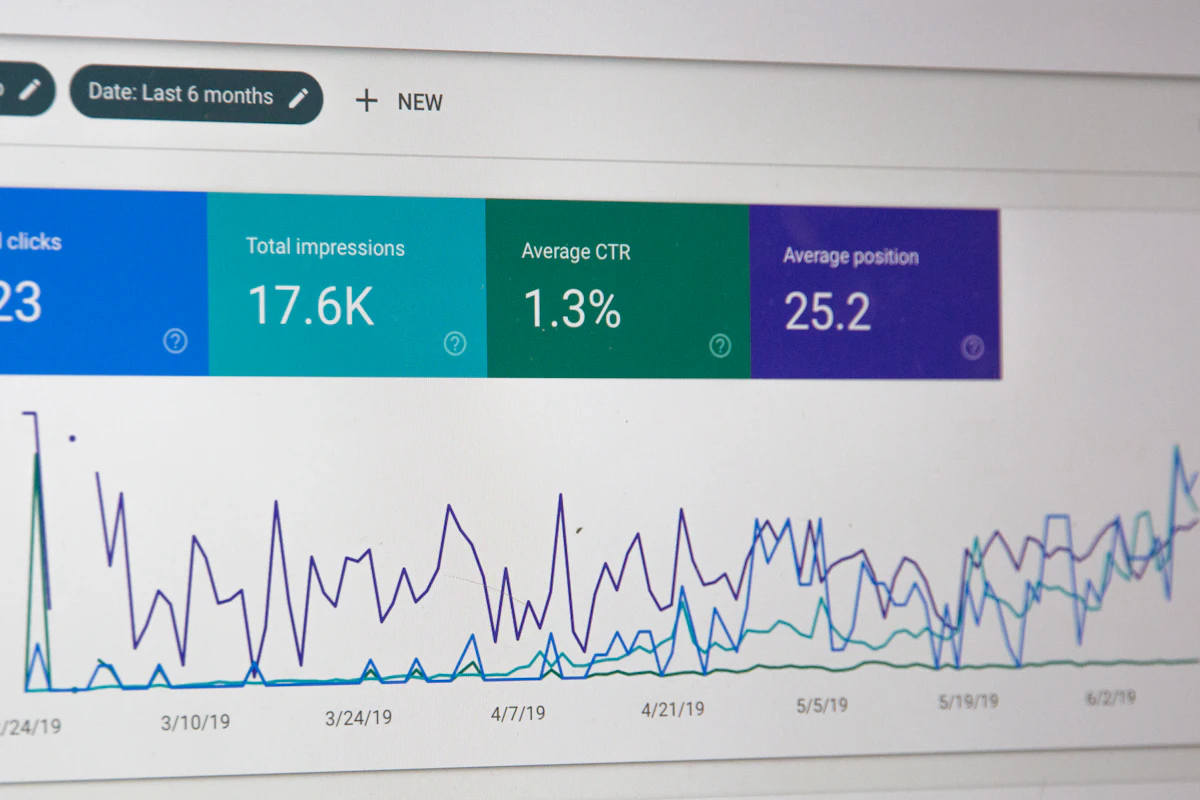
A search performance report showing impressions, click rate and average position over a line chart
A laptop showing a dark analytics dashboard with traffic charts
A green trend line chart on a screen

What it is

A program to raise your citation probability: unambiguous entity signals, distinctive citable content (original data, hard metrics, named-expert quotes), and consistent authority across the sources AI trusts.

Why it matters

Models cite content that is specific, attributable and corroborated. Vague, anonymous prose gets ignored; a sourced statistic with a real named expert is quotable - and quoting is citing.
What we do
  • Build a connected entity graph with sameAs links to Wikidata, Crunchbase and LinkedIn.
  • Publish original data and first-party research others reference.
  • Apply the Trust Triad: sourced stats, hard metrics instead of adjectives, real attributed quotes.
  • Earn third-party citations through digital PR and expert sourcing.
  • Align your description across every listing so AI resolves one correct entity.
Honesty note
We measure citation lift against your own baseline. We don't quote a fixed "+X% citation" figure from someone else's benchmark as if it were yours.
Related services

AI citation mechanics

Why AI cites some sources and ignores others

AI citation optimization is the work of making a business's claims specific, attributable and corroborated so AI assistants cite its pages as the source of an answer, with a link or a named credit. EliteLeadGrow audits claims page by page, builds original evidence worth citing, and tracks which URLs each assistant actually cites for your buyers' questions.

WebsiteBusiness ProfileDirectoriesReviewsPress mentionsSchemaYour business

What is the difference between a mention, a citation and a recommendation?

Short answer

A mention names the business, a citation credits a page as the source, and a recommendation presents the business as a good choice. A business can be mentioned without being cited, and cited without being recommended, so we track each on its own.

Three outcomes in an AI answer
OutcomeWhat it looks likeHow we see itWhat moves it
MentionThe assistant names the business in its textRepeated prompt samplingConsistent entity facts and broad web presence
CitationThe answer links or credits a specific page as its sourceA log of cited URLs by engine and promptSpecific, attributable content plus corroboration elsewhere
RecommendationThe assistant presents the business as suitable for the needReading the wording of the verdictReviews, comparisons and steady third-party consensus

How do AI engines choose which sources to cite?

Short answer

Engines that search the web as they answer retrieve candidate passages first, then pick the ones that best support each statement they write. A page has to pass two filters: being retrieved, and being chosen.

The detail

Retrieval depends on a page being crawlable, indexed and relevant to the prompt. Selection depends on the passage stating a fact clearly enough to attribute. Vague, anonymous or unsupported text often passes the first filter and fails the second.

The labs do not publish exact selection rules, and the rules change. We treat specificity, attribution, corroboration and freshness as working principles confirmed by testing, not as laws.

Your page
Crawled
Indexed
Retrieved
Quoted

What makes a claim citable?

Short answer

A citable claim is specific, attributed and able to stand alone. We audit every factual claim on a page against the list below, and claims that fail get a source, a number or a cut.

The detail

An unsupported superlative such as 'the leading provider' is not a claim an assistant can attribute to anyone. It adds length without adding anything to cite.

  • Specific: a number, name, date or condition instead of an adjective
  • Attributed: says who measured or said it, with a link to the source
  • Standalone: the sentence makes sense when copied out of the page
  • Dated: shows when it was true, and the page shows when it was last reviewed
  • Corroborated: an independent source says something consistent
  • Open about method: how the figure was gathered and what it cannot show
WebsiteBusiness ProfileDirectoriesReviewsPress mentionsSchemaYour business

How can a business create original data without a research budget?

Short answer

Publish what you already measure, along with how you measured it. Most businesses hold facts nobody else has: anonymized job outcomes, response times, price ranges by job type, the questions customers ask most, the results of a customer survey.

The detail

A short page that reports one finding, states the sample, the period and the method, and says what it cannot show is more citable than a long opinion piece. Other writers can quote it exactly, and that is how a figure spreads with your name attached.

How do you find which sources to win citations from?

Short answer

We read which sources the assistants already cite for your buyers' prompts, and who they cite instead of you. That tells us where the gap is.

The detail

We run the prompt set, record every cited URL and group them: competitor sites, review platforms, industry publications, directories and community threads. The groups that cite competitors but not you form the target list. A gap on a review platform calls for review work, a gap in trade press calls for digital PR, and a gap on your own site calls for content.

WebsiteReviewsDirectoriesPress mentionsCitationsYour business

Why do citations come and go?

Short answer

Answers are rebuilt from fresh retrieval and models are updated, so a citation is never permanent. A page cited this month can drop out if a competitor publishes a clearer source, if your figures go stale, or if the engine changes how it retrieves.

The detail

We review cited pages on a schedule, update dates and figures when facts change, and watch for slippage so we can repair it early.

Your page
Crawled
Indexed
Retrieved
Quoted

How we run a citation audit

  1. Collect the prompts

    Agree the buyer questions to test, grouped by stage and, for local businesses, by place.

  2. Log the citations

    Run each prompt on every assistant several times and record which URLs are credited.

  3. Audit claims and gaps

    Check your pages claim by claim and compare cited sources with the ones citing competitors.

  4. Build and re-test

    Add evidence, fix attribution and earn third-party coverage, then measure again against the baseline.

Questions

AI citation questions

Sometimes. Engines use their own retrieval and a page outside Google's top results can still be cited. A page that no index has fetched is very unlikely to be. We treat ranking as helpful but not required, and test each engine on its own.

No. Wikipedia has strict notability rules, and creating a page to promote a business usually fails. We pursue profiles such as Wikidata, Crunchbase or LinkedIn only where you genuinely qualify.

No. Schema labels facts so machines read them correctly, which can help retrieval. It does not make a weak or unsupported claim worth citing.

No. A backlink is a hyperlink in a web page that Google can count in its link data. A citation is an assistant crediting a source in an answer, which may or may not include a link. When it does, clicks arrive as referral traffic.

No platform sells organic citations. Paying a site for a placement does not make it trustworthy, and Google expects paid links to be marked rel=sponsored. We build citations through earned coverage only.

Against your own baseline. We log cited URLs per assistant and prompt before any work, then compare month to month using repeated runs. We do not apply a benchmark percentage from someone else's data.

We trace which source it appears to rely on, then fix that source, whether it is your own page, a listing or a third-party article. We cannot edit the model, but correcting the sources it reads usually changes later answers.

Keep reading

See your gaps

See who AI cites instead

We list the pages AI cites for your buyers' questions, show which competitors hold those slots and mark the shortest path to earning yours.