



SEO Services

SEO that builds long-term, compounding organic growth.

Our SEO experts build strategies that generate qualified traffic and measurable business results - the foundation every AI-search win is built on. GEO sits on top of SEO; it does not replace it.

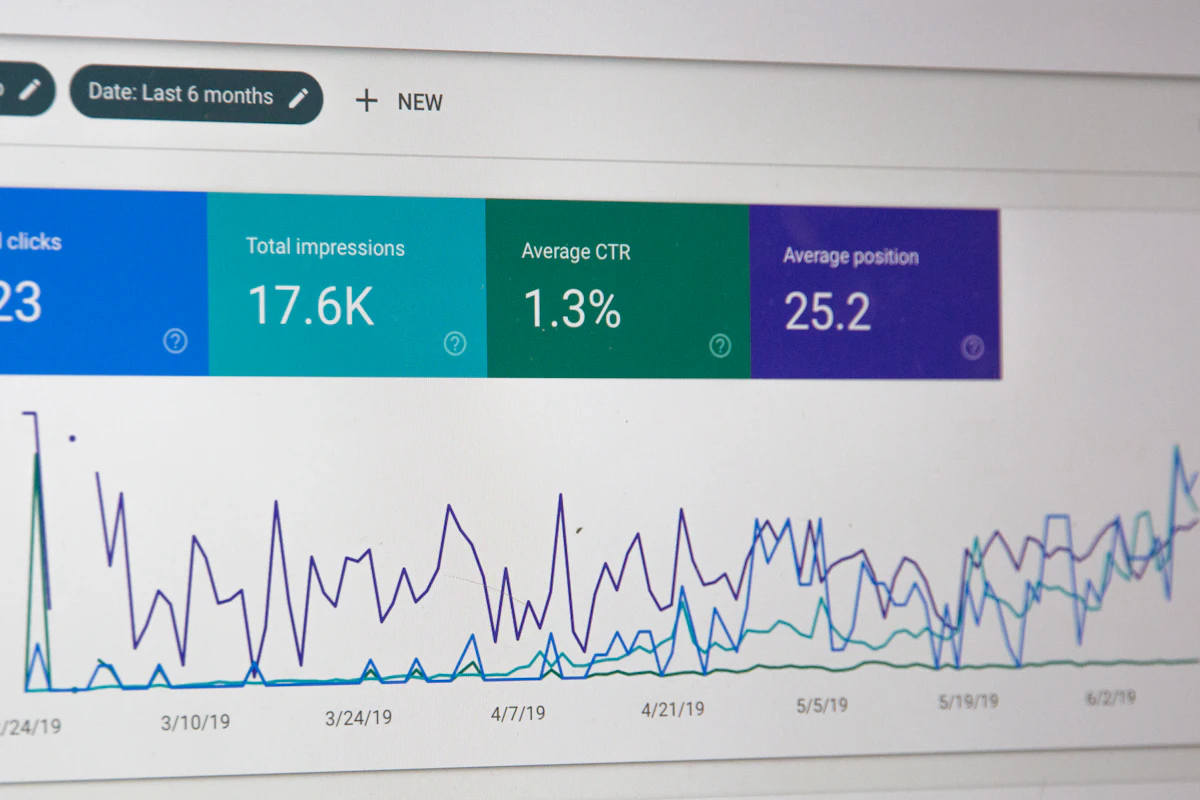
A search performance report showing impressions, click rate and average position over a line chart
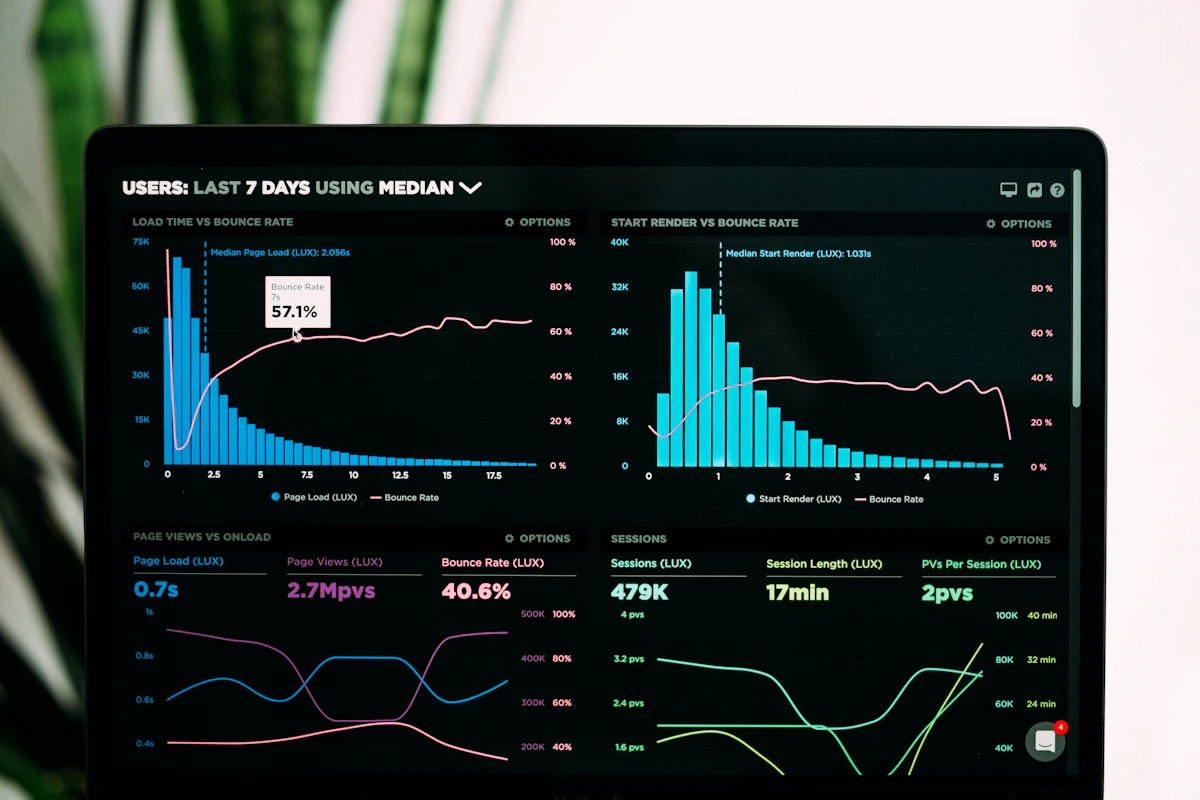
A laptop showing a dark analytics dashboard with traffic charts
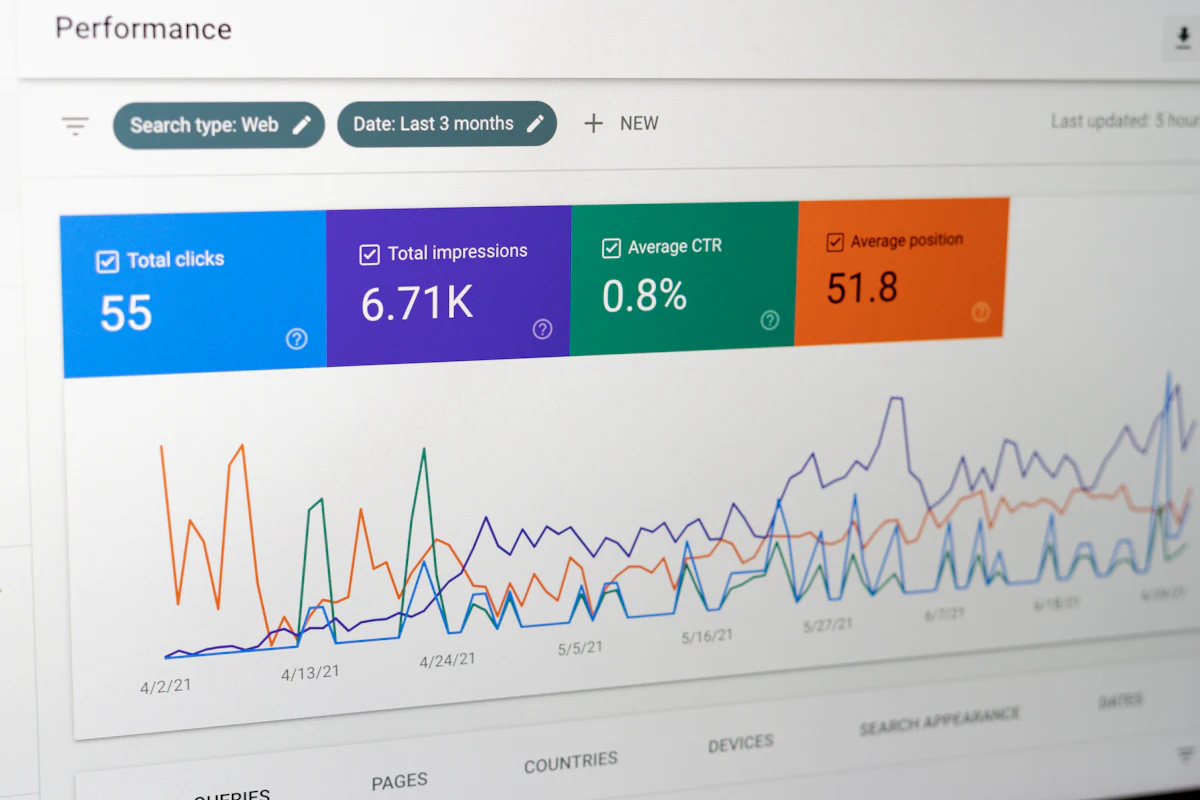
A green trend line chart on a screen

What's included

  • Technical SEO - crawlability, indexation, site speed, Core Web Vitals, log analysis.
  • On-Page SEO - titles, headings, internal linking, content optimization.
  • Local SEO - Google Business Profile, citations, reviews, map-pack visibility.
  • Enterprise & eCommerce SEO - scale, faceted navigation, product schema.
  • International SEO - hreflang, multi-market architecture.
  • Content Marketing & Keyword Research - topical authority around real buyer queries.
  • Competitor Analysis - where they win and where the gaps are.
  • Link Building - earned, white-hat authority only.
  • Website SEO Audits & Consulting - a scored plan ranked by impact and effort.
  • Schema Markup & SEO Reporting - structured data plus transparent dashboards.

Why it still matters in the AI era

Google's AI answers draw from the classic index, and Bing-based assistants (ChatGPT Search, Copilot) depend on Bing ranking. Strong SEO is a prerequisite for AI citation, not legacy work.

What you get

Higher rankings, qualified organic traffic, and a technically clean, AI-ready site - measured against a baseline captured before we touch anything.
Related services

SEO, in depth

How SEO works, and where we start on a new site

Search engine optimization (SEO) is the work of making a website easy for Google and Bing to crawl, understand and trust, so its pages appear for the searches its customers make. EliteLeadGrow runs SEO in four layers: access, relevance, authority and experience. Each layer is checked against a baseline, and fixes are ordered by impact and effort.

WebsiteBusiness ProfileDirectoriesReviewsPress mentionsSchemaYour business

How does Google decide which page to rank?

Short answer

Google moves every page through stages before it can rank: it crawls the URL, indexes the content, then orders indexed pages against each other for a search. A fault at an early stage hides everything after it, so we diagnose in that order and not by the symptom the client noticed first.

The detail

'We publish blog posts and nothing happens' usually turns out to be a crawl or index problem, not a quality problem. A page that is blocked, duplicated or rendered late never gets the chance to compete.

Crawl
Index
Rank
Click
Where an SEO problem usually lives
StageWhat happensTypical failureHow we check
CrawlGooglebot requests the URLRobots.txt blocks, server errors, redirect chains, pages no link points toServer logs, Search Console crawl stats, a full-site crawl
IndexGoogle decides whether to store the pageDuplicate content, a wrong canonical tag, a noindex left on after launch, thin pagesSearch Console page indexing report and URL inspection
RankGoogle orders indexed pages for a queryWeak match to intent, shallow coverage, few trusted links, a page that is hard to useQuery data in Search Console, side-by-side with the pages that rank
ClickThe searcher chooses a resultVague title tags, a snippet that does not answer the query, a clearer competitorClick-through rate by query and position

What do you fix first on a new SEO engagement?

Short answer

We fix whatever blocks the most pages at the earliest stage, then work toward the pages closest to ranking. Access problems come first, then pages that already earn impressions, then new content.

The detail

Before changing anything we capture a baseline from Search Console, analytics and a rank tracker: pages indexed, queries with impressions, average position by page group and organic conversions. Every later number is compared with it, so progress is shown and not asserted.

  • Site-wide blockers (robots rules, broken canonicals, redirect loops) before any single page
  • Pages sitting on the second page of results for a query that fits the business, because small changes can move them
  • Pages with many impressions and few clicks, where a better title and opening are cheap to test
  • New pages for questions that no existing page answers
  1. Baseline
  2. Fix
  3. Publish
  4. Measure

How do you choose which keywords a page should target?

Short answer

We give each page one primary search intent and choose terms from what people actually type, not from a list of the highest-volume phrases. Intent comes first because Google matches pages to what the searcher wants to do (learn, compare, buy, find a place) as much as to the words used.

The detail

Two pages that chase the same intent compete with each other, a problem called keyword cannibalization. We keep a keyword map with one row per URL: its primary query, its supporting queries and its intent type. Where two URLs overlap, we merge them, redirect one or separate their purposes.

Search Console is the best source for expansion. It lists the real queries your pages already appear for, including ones nobody planned to target.

How do you choose which keywords a page should target?

SourceYour website
We give each page one primary search intent and choose terms from what people actually type, not from a list of the highest-volume phrases.

How do you know SEO is working before rankings move?

Short answer

Indexing and impression data move before positions and sales do. We read these signals each month while the slower ones catch up.

The detail

We do not promise a time to results. SEO is measured in months, and the pace depends on competition and where the site starts. What we commit to is a baseline and a monthly report that shows which of these signals moved.

  • Indexed pages rise as blockers are removed and low-value URLs are pruned
  • Impressions grow for queries that do not contain the brand name
  • Target page groups climb in average position, even before they reach page one
  • Crawl errors fall and Core Web Vitals pass in field data
  • Enquiries from organic search rise, tracked as calls, forms or bookings
Your page
Crawled
Indexed
Retrieved
Quoted

When is SEO the wrong first move?

Short answer

SEO is the wrong first move when the business needs leads this month, when the site cannot convert the visitors it already gets, or when almost nobody searches for what it sells.

The detail

A broken contact form or checkout wastes any new traffic, so that comes first. A new product category may have little search demand, and there outreach, partnerships or a small paid test teach more, faster. If the buying process rarely starts online, we would measure phone calls before spending on traffic.

  1. Baseline
  2. Fix
  3. Publish
  4. Measure

How we run an SEO program

  1. Baseline and audit

    Capture rankings, indexation, traffic and conversions, and crawl the site the way Google does.

  2. Prioritize

    Score each fix by impact and effort, then agree the order with you before work starts.

  3. Ship and publish

    Fix technical issues, rewrite pages and add new ones in that order, with a plain note on each change.

  4. Measure and adjust

    Compare every month with the baseline and move effort toward what is working.

Questions

SEO questions

SEO is measured in months, not weeks. Technical fixes can show up in indexing and impressions sooner than rankings for competitive terms. The pace depends on how competitive the market is and where the site starts, which is why every report compares progress with a baseline taken before the work began.

No. Google's own guidance says no one can guarantee a top position, and any provider who does is overselling. We commit to a baseline, a prioritized plan and honest monthly reporting on the signals that move first.

Search Console and analytics access, plus a way to publish changes, either a CMS login or a developer who will apply our written fixes. We ask for a rank-tracking scope and your conversion definitions during onboarding.

SEO changes structure, copy, markup and speed far more than visual design. Anything that alters a template or your brand look is proposed to you first and applied only with your approval.

Yes, because platforms differ in what you can edit. Most let you change titles, headings and structured data. Some fix the URL structure or limit redirects and server access, so we check this in the audit and plan around it.

Indexed pages, impressions, average position by page group, organic conversions and a list of what changed on the site that month. It ends with the plan for the next month and the reason for each item.

SEO earns a URL a place in search results. GEO works on whether AI assistants name the business itself in their answers. They share a base, because assistants that search the web need pages that can be crawled and indexed, so we usually plan them together.

Keep reading

Start with a baseline

See where your rankings stall

We pull your Search Console data, crawl the site and show which layer is holding you back, before you commit to a program.