



Restaurants & Hospitality

"Where should I eat in [city]?" is now answered by AI first.

Menu, hours, location, seasonality - all live in structured signals. When AI recommends restaurants, it recommends the ones whose data it can trust.

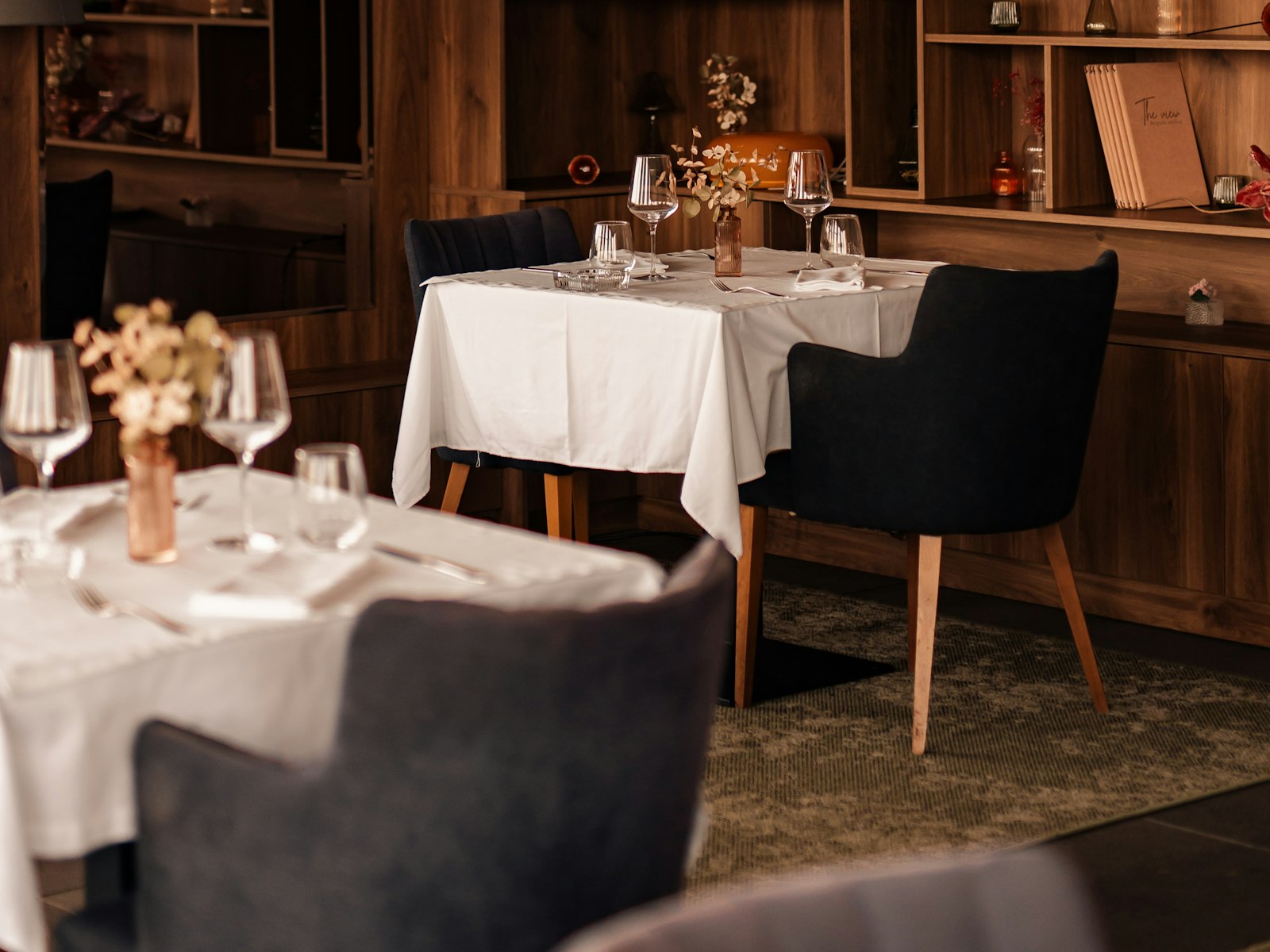
An elegant restaurant dining room with set tables and warm light
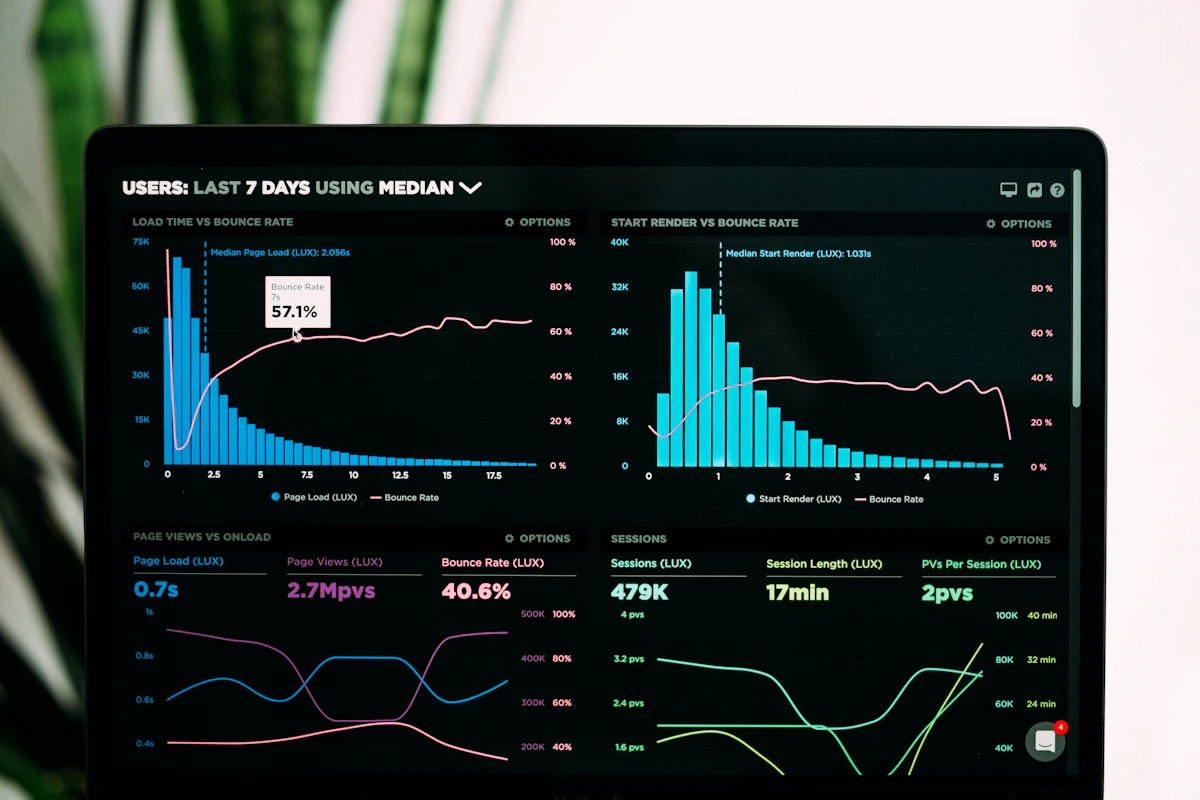
Hands typing on a laptop with a chart on screen, next to a phone and glasses
A software team working together at one screen
A restaurant dining room set for dinner

How AI picks restaurants

Recommendation engines pull from Google, Yelp, TripAdvisor, OpenTable, and your own site. Consistent NAP, live menu schema, hours, cuisine tags, and freshness signals are what make you a candidate. Everyone else is filtered out.

Why most restaurants miss it

Menus in PDFs AI can't read. Hours out of sync between Google and Yelp. No structured cuisine or price tags. No fresh signals when the menu changes seasonally. Reviews that never make it into structured data.
What we do
  • Menu, hours, location, cuisine and price schema (Restaurant + MenuItem)
  • Google Business Profile + Yelp + TripAdvisor NAP consistency
  • Freshness signals for seasonal menus and events
  • Disclosed real-customer review engine
  • Local content: 'best [cuisine] in [neighborhood]' answer pages
  • Photo and OpenGraph optimization for AI answer cards
Compliance gate
Reviews are earned and disclosed - never seeded. FTC endorsement rules and Yelp/Google terms make manufactured reviews a liability, not an asset.
Related services

Dining search behavior

How diners use AI to choose where to eat, and what gets a restaurant named

Restaurant GEO makes a restaurant easy for AI assistants to recommend for a specific occasion: its cuisine, menu, price level, hours, location, reservation options and atmosphere. It depends on one accurate set of facts across Google Business Profile, the restaurant's own site and review platforms, a readable HTML menu, and fresh signals whenever the menu or hours change.

WebsiteBusiness ProfileDirectoriesReviewsPress mentionsSchemaYour business

How do diners use AI to decide where to eat?

Short answer

They ask for a place that fits an occasion and a constraint, not only a cuisine. Typical prompts are 'quiet place for an anniversary dinner near me', 'vegan-friendly brunch with a patio', 'where to eat before a show that takes reservations' and 'does [restaurant] have gluten-free options'.

The detail

Occasions and constraints are answered from menus, listing attributes and the words in reviews. A restaurant described only as 'Italian, family-owned' cannot be matched to most of them. The restaurants that get named are the ones that say what the room is like, who it suits and what can be ordered.

How do diners use AI to decide where to eat?

SourceYour website
They ask for a place that fits an occasion and a constraint, not only a cuisine.

What does AI need to recommend a restaurant?

Short answer

It needs identity, cuisine, menu, hours, booking details and the atmosphere in words, matched across every source it reads. The table pairs each with what to publish. Restaurant is the schema.org type, under FoodEstablishment, with properties such as servesCuisine and acceptsReservations.

WebsiteBusiness ProfileDirectoriesReviewsPress mentionsSchemaYour business
What AI looks for and what a restaurant publishes
What AI looks forWhat to publish
IdentityName, address and phone identical on the site, Google Business Profile, Yelp, TripAdvisor and booking platforms, with Restaurant schema
Cuisine and priceservesCuisine and priceRange in schema, and both stated in text
MenuAn HTML menu page with dishes, descriptions and dietary labels, referenced with hasMenu
HoursRegular hours, plus holiday and event hours, matching Google Business Profile
BookingacceptsReservations, a booking link and the large-party policy in text
Atmosphere and occasionA description of the room, noise level, patio and who it suits, in the owner's words
ReviewsRecent reviews on Google, Yelp and TripAdvisor, with owner replies
Press and listsMentions in local publications and 'best of' lists

Why does an HTML menu matter more than a PDF?

Short answer

Because assistants answer dish and diet questions from text they can read, and PDFs and images are often skipped or garbled. A PDF menu may be indexed, but its text is hard to pair with the venue and it tends to go stale when the kitchen changes a dish.

The detail

Publish the menu as a page with dishes, descriptions and dietary labels, link it from the Google Business Profile menu field, and show an updated date. Seasonal menus can have their own dated pages. Keep one current menu URL that never changes, so every listing points to the same place.

Your page
Crawled
Indexed
Retrieved
Quoted

How do review platforms and freshness affect recommendations?

Short answer

Reviews supply the occasion and atmosphere language that menus lack, and recent activity tells an assistant the information is still true. Assistants read review text for phrases like 'quiet' or 'good for groups', so thoughtful, factual owner replies add context too.

The detail

Platforms differ on review rules. Yelp discourages businesses from asking for reviews, while Google allows asking but prohibits review gating and incentives. The FTC's 2024 rule on fake reviews applies throughout. Read each platform's terms. When the menu, hours or events change, update the site and the profile on the same day.

How should restaurant groups and hotel restaurants handle several venues?

Short answer

Each venue should be its own entity, with its own page, listing, hours, menu and schema, linked to a group page that carries the shared description. Merging venues onto one page leads to wrong hours and wrong menus in answers.

The detail

A restaurant inside a hotel should have its own Restaurant entity with hours that can differ from the hotel's, connected with containedInPlace. Room service, bar and event spaces can each have their own page when they have separate hours or menus.

WebsiteBusiness ProfileDirectoriesReviewsPress mentionsSchemaYour business

Questions

Restaurant questions

Yes. A site you control is the only place the menu, hours and story are yours, and assistants cite it. Third-party profiles then confirm what the site says.

It helps an assistant answer 'can I book' and 'can I order' questions with an action. Keep the link and the policy text in step, and mention large-party rules.

Yes, politely and factually. Replies show the listing is active and add context, such as noting a new menu or a changed policy. Avoid arguing, and never invent details.

Ask ten or so occasion prompts for your area across the main assistants, more than once, and note whether you are named, whether the hours and menu are right, and who is named instead.

Give each a dated page, mark events with Event schema where it fits, and remove or update them afterward so old details stop circulating.

Yes. The checks are the same, and a small restaurant often has less conflicting data to clean up. The work is to make hours, menu and description match everywhere.

Keep reading

For restaurants

Put your menu in the answer

We ask assistants where to eat in your area, record what they say about your restaurant, and send back the fixes.